
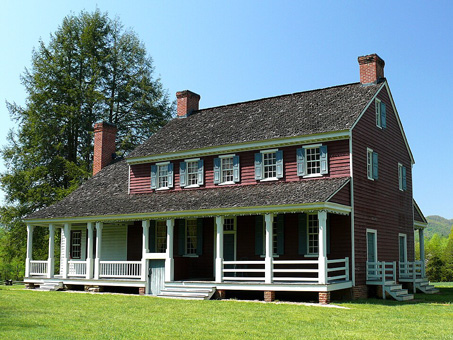
Nestled in the rolling farmland of Happy Valley, where the Yadkin River winds through the foothills of the Blue Ridge Mountains, Fort Defiance stands as one of Caldwell County’s most treasured historic landmarks.
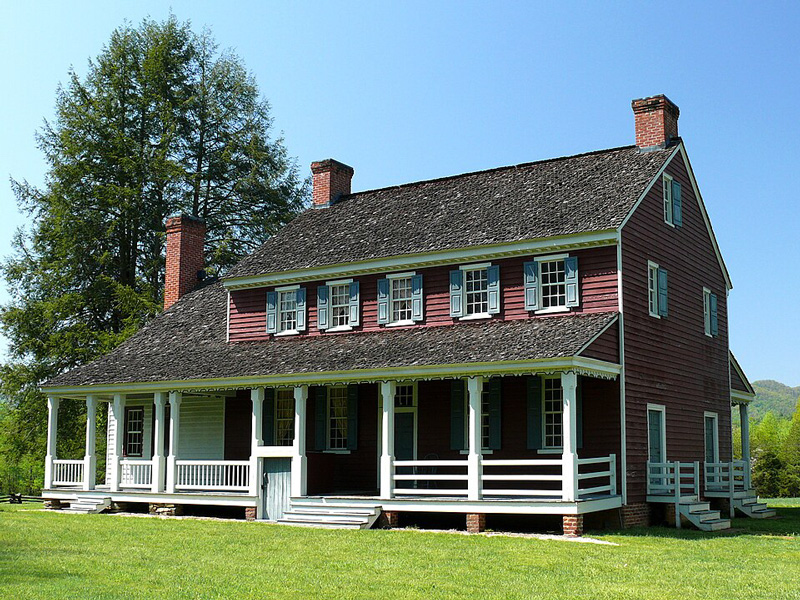
Built in 1792 by Revolutionary War officer General William Lenoir, Fort Defiance served as his home and remains one of North Carolina’s most significant historic sites, offering a window into the state’s early frontier and Revolutionary War history. For generations, schoolchildren and visitors have come here to experience a landscape that connects North Carolina’s natural beauty with its rich Revolutionary War history.
Just beyond the historic site, 25 acres of undeveloped land help frame the views, protect the setting, and preserve the character of this unique place. Foothills Conservancy of North Carolina recently completed a project on these acres that demonstrates how North Carolina’s conservation trust funds protect the places that make North Carolina unique and ensure that protection for future generations.
“Supporting conservation funding in North Carolina is a wise investment that ensures the conservation of natural, historic, and cultural resources by protecting streams and water supplies, and providing residents and visitors with safe, beautiful areas to hike, bike, enjoy wildlife, and learn about North Carolina’s unique history,” said Tom Kenney, Foothills Conservancy of North Carolina Land Protection Director.
“In honor of America’s 250th birthday, conserving places like Fort Defiance allows us to honor our nation’s founding and the role North Carolinians played in securing independence. These investments help ensure that our history remains visible, accessible, and meaningful for generations to come.”
— Senator Ted Alexander, Co-Chairman of the North Carolina General Assembly’s America’s 250th Committee
“I am especially gratified in this instance because my great aunt Mildred McDowell Jones was one of the principle driving forces behind the original preservation efforts of Fort Defiance in the 1960’s through the 1980’s. So this is a fitting continuation of the patriotic efforts of generations past who laid the groundwork for protecting our heritage we enjoy today,” said Senator Alexander.
Preserving a Piece of North Carolina History
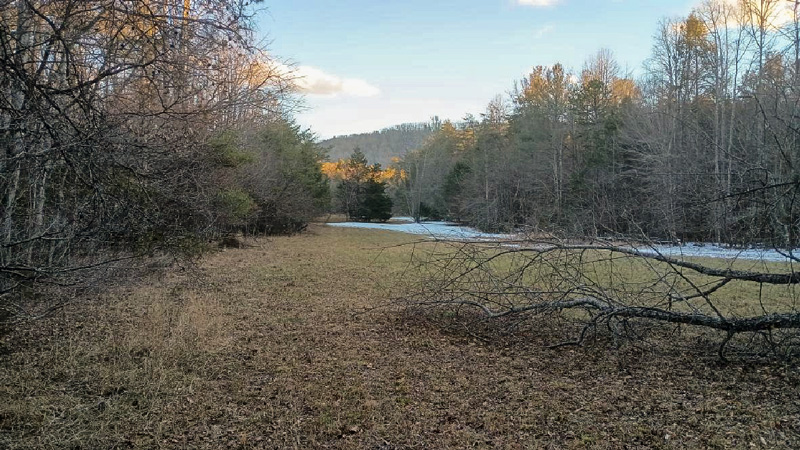
Thanks to a NC Land and Water Fund grant, the Foothills Conservancy of North Carolina was able to permanently protect 25 acres of land adjacent to the Fort Defiance Historical Site. Located along NC Highway 268 near the Yadkin River, the protected property serves as a critical buffer for the Fort Defiance Historical Site and a key section of both the Overmountain Victory National Historic Trail and the Overmountain Victory North Carolina State Trail. Together, these landmarks tell the story of the Overmountain Men and their role in securing a pivotal victory during the American Revolution.
By conserving this property, North Carolina helps ensure that future generations can continue to experience the landscapes where history unfolded.
Protecting Natural Resources That Benefit Communities
The benefits of this project extend beyond historic preservation. The protected land helps safeguard the Yadkin River watershed and contributes to the protection of downstream drinking water supplies, including Kerr Reservoir. Conserving land along rivers and streams is one of the most cost-effective ways to protect water quality while reducing future infrastructure and treatment costs. The project also preserves open space, scenic views, and opportunities for outdoor recreation, all of which contribute to the quality of life valued by residents throughout Caldwell County.
A Smart Investment in Local Economies
Historic sites and outdoor recreation destinations bring visitors to local communities, supporting restaurants, hotels, retail businesses, and other local employers. Across North Carolina, outdoor recreation generates $16.2 billion in economic value annually and supports more than 145,000 jobs, underscoring the economic benefits of investments in trails, historic sites, and public access. Projects like this demonstrate how conservation funding serves as an investment in both community assets and economic development.
State Conservation Funding Made the Project Possible
This project would not have been possible without support from the N.C. Land and Water Fund and the North Carolina Complete the Trails Program. Funding helped cover land acquisition, transaction expenses, and long-term stewardship costs. Without these state investments, the project would likely not have moved forward.
 Why Continued Investment Matters
Across North Carolina, communities are working to protect important historic sites, working lands, parks, trails, water resources, and natural areas. Yet many of these opportunities are time-sensitive. Once land is developed, the opportunity to conserve it is often lost forever.
“NC LWF investments support projects like Fort Defiance, which has a significant historical heritage, as well as natural resources like open space for recreation, water protection, and watershed protection,” said Kenney. “Without these investments, many of these projects would not be possible, leaving properties more susceptible to development.”
An Investment in North Carolina’s Future
North Carolina’s conservation trust funds have a proven record of delivering results in communities across the state. They help leverage partnerships, support local priorities, and protect the natural and historic resources that make North Carolina a great place to live, work, and visit.
Continued investment in the N.C. Land and Water Fund will help ensure that projects like Fort Defiance remain possible for future generations, preserving the places that define North Carolina’s history, strengthening its economy, and protecting its way of life.