Deep Dive: How State Conservation Funding Helped Protect the South End of Topsail Beach

A $3.17 million investment from the N.C. Land and Water Fund helped make possible a nearly $8 million effort to protect one of the largest remaining undeveloped tracts on a North Carolina barrier island.

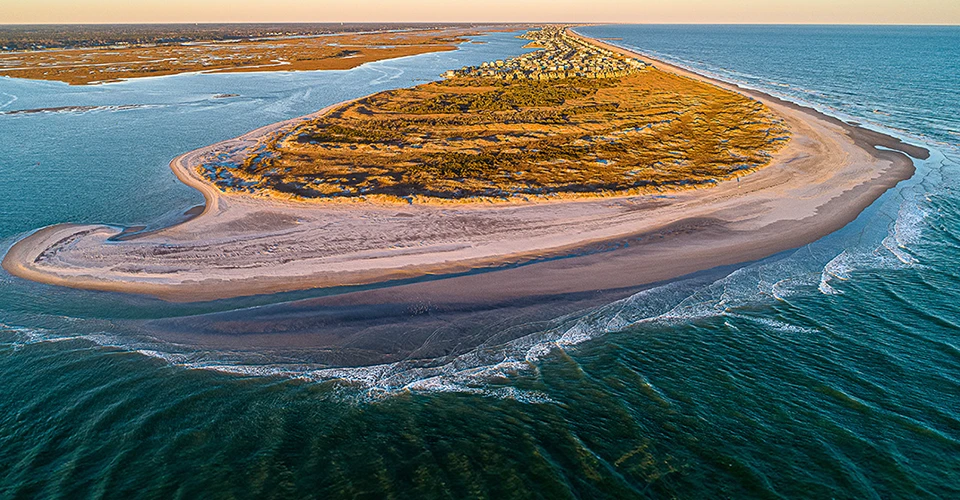
At the southern tip of Topsail Island, the road ends, and one of North Carolina’s iconic coastal landscapes begins.

Image credit: https://www.instagram.com/gavinwildvisuals/

Known locally as “The South End” or “The Point,” this stretch of coastline reaches from the Atlantic Ocean to New Topsail Inlet and Banks Channel. Generations of residents and visitors have enjoyed its dunes, wetlands, beaches, and maritime habitat.

They also could have looked very different.

The property had been under contract for development that would have included multiple homes and a small private marina, according to the North Carolina Coastal Land Trust. Instead, the Coastal Land Trust purchased the South End in April 2025 following a major public-private conservation effort. The property is now permanently protected and has been transferred to the State of North Carolina. At the center of that effort was an investment from the N.C. Land and Water Fund (NCLWF). Each year, the North Carolina General Assembly invests in the state’s conservation trust funds through the state budget, providing critical funding that helps communities and conservation partners protect land, water, working lands, and other important natural resources across North Carolina. Those state investments make projects like this possible and help ensure these special places can benefit North Carolinians for generations.

A State Investment That Helped Bring Other Funding to the Table

The South End project cost approximately $7.9 million, according to information provided by the Coastal Land Trust. NCLWF provided $3,167,400 toward the project. That meant state funding covered less than half of the total cost. The rest came from a combination of federal grants, local support, and private donors.

For Harrison Marks, former Executive Director of the North Carolina Coastal Land Trust, that is exactly why the state’s conservation funding matters.

“Funding from the NC Land and Water Fund was essential as match money for other grants and private fundraising. In the end, NCLWF provided less than 50% of the required funding but was the cornerstone of the successful effort to protect the South End.”

Additional funding included two U.S. Fish and Wildlife Service grants, the National Coastal Wetlands Conservation Grant and the North American Wetlands Conservation Act Grant, as well as support from the National Fish and Wildlife Foundation’s Acres for America program, funded by Walmart, and the Town of Topsail Beach.

Nearly 800 individual donors contributed almost $1.6 million to the project. The Coastal Land Trust reports that the overall campaign raised nearly $8 million. The result shows how a state conservation investment can be one piece of a much larger funding package.
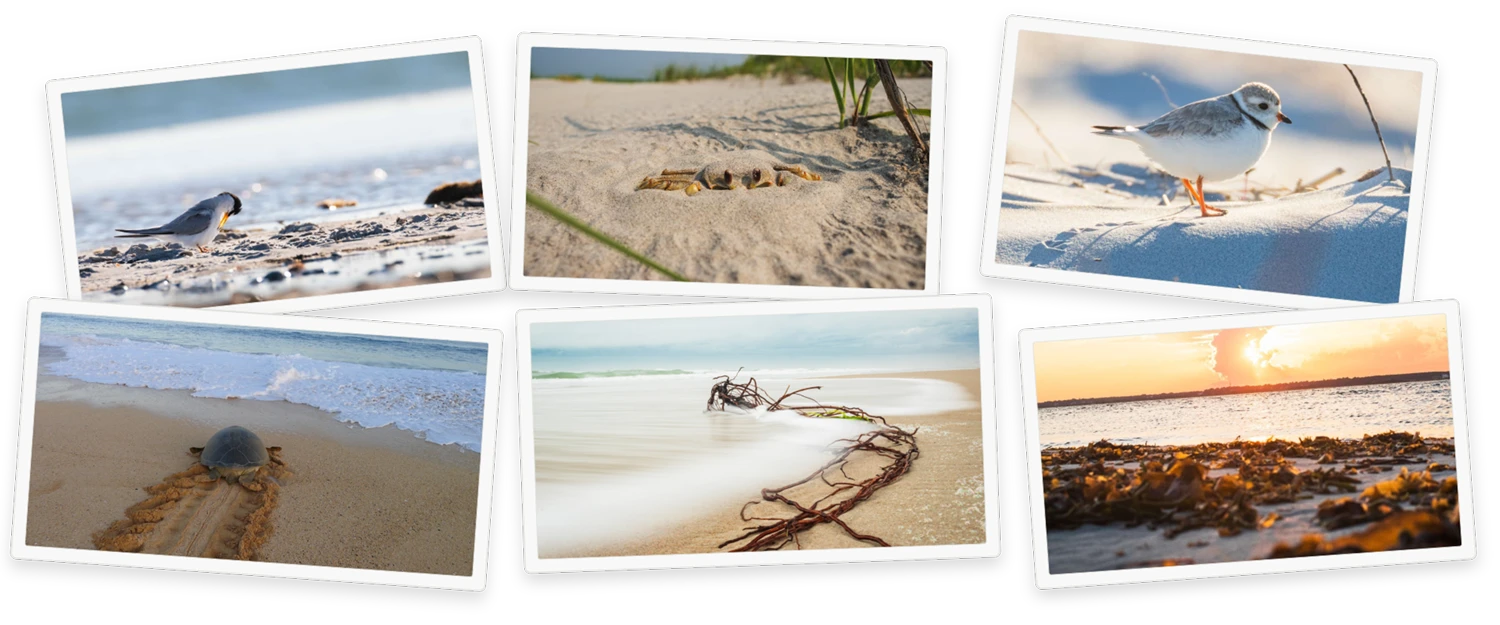
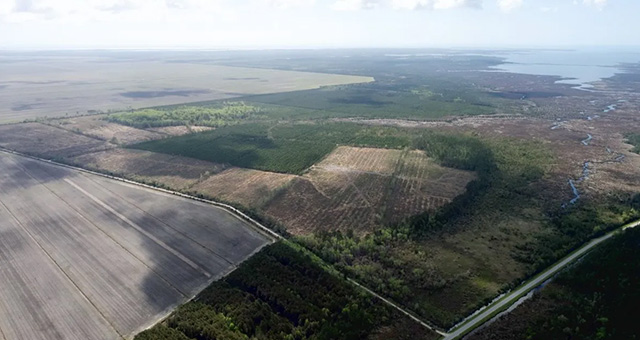
Photo credits: https://www.instagram.com/gavinwildvisuals/ and NCWRC

Protecting a Rare Piece of the North Carolina Coast

Image Credit: https://www.instagram.com/gavinwildvisuals/

Opportunities like the South End do not come along often. When the Coastal Land Trust launched its campaign in 2024, it described the property as one of the last large, privately owned and undeveloped tracts remaining on North Carolina’s barrier islands.

The South End is part of the Lea-Hutaff Island Significant Natural Heritage Area. Its dunes, overwash flats, wetlands and maritime vegetation provide habitat for an array of coastal wildlife.

The Coastal Land Trust says the area supports federally listed species including sea turtles, red knots and piping plovers, along with more than 30 species identified as priorities in the N.C. Wildlife Action Plan. Its public project information also identifies species including loggerhead sea turtles and the rare coastal plant sea beach amaranth.

But its importance is not limited to wildlife. For generations, the South End has been a place where residents and visitors can experience a natural North Carolina beach in a community where much of the surrounding barrier island has been developed.

“The character of eastern NC includes many iconic landscapes, not the least of which are natural areas along the coast. Protecting lands like this helps ensure our coastline retains places where all can enjoy natural beauty.” – Harrison Marks

A Conservation Opportunity That Could Not Wait

The South End also illustrates one of the challenges facing conservation projects across North Carolina: land cost.

When an important property becomes available, conservation organizations have to act while the opportunity still exists and assemble funding from multiple sources to complete the project.

“Land conservation at a large scale requires funding like that provided by NCLWF,” Marks said.

The South End was an especially unusual opportunity because of its location on a heavily developed barrier island. Once converted to residential development, the opportunity to permanently protect the property as a natural area would have been lost.

Marks believes that makes the timing of conservation investments increasingly important.

“Land is becoming more and more expensive, especially in and adjacent to growing cities and along the ocean and waterways. Now is the best time to set aside some land so that development doesn’t alter forever some of the characteristics that make NC special.”

Making Conservation Possible Through Partnership

The South End was not protected by one organization or one funding source.

It took state investment, federal grants, local participation, and hundreds of private donors working toward the same goal.

The Coastal Land Trust also credits Senator Brent Jackson as a champion of the project throughout the effort.

Today, the South End demonstrates what North Carolina’s conservation trust funds are designed to do: help turn significant conservation opportunities into completed projects by providing funding that can work alongside federal, local, and private dollars.

For the N.C. Land and Water Fund, the South End represents more than a single grant. It shows how state funding can provide the foundation needed to assemble partners and protect an important North Carolina landscape while the opportunity still exists.

And for the people who have walked, fished, explored, or simply admired the South End, it means a familiar piece of the North Carolina coast can remain a natural place for generations to come.
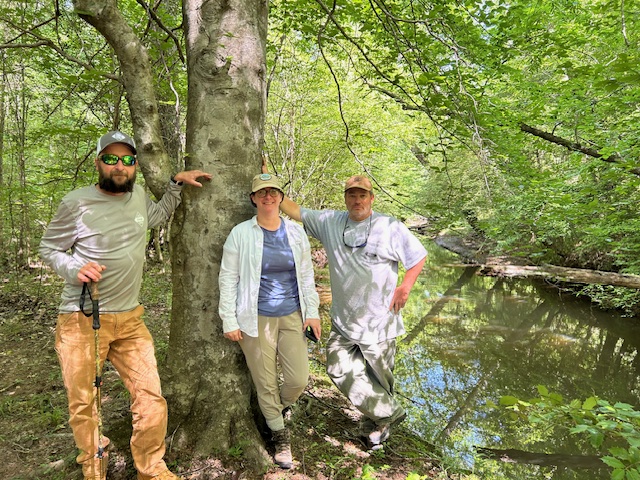
Protecting Shocco Creek Depends on Protecting North Carolina’s Conservation Trust Funds

A newly protected 136-acre property in Franklin County shows what North Carolina can accomplish when state legislators invest in conservation.

The N.C. Wildlife Resources Commission recently added the Washburn-Spears Tract to the Shocco Creek Game Land. The acquisition protects water quality, connects existing conservation lands, safeguards habitat for rare wildlife, and expands public access to outdoor recreation.

The project was made possible in part by a $211,000 grant from the N.C. Land and Water Fund. It is a clear example of why legislators must continue protecting North Carolina’s conservation trust funds.

Protecting an Important Piece of Shocco Creek

The Washburn-Spears Tract was almost completely surrounded by the existing Shocco Creek Game Land. Acquiring the property filled a significant gap in the protected landscape and connected surrounding conservation lands.
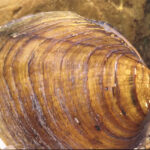
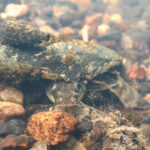
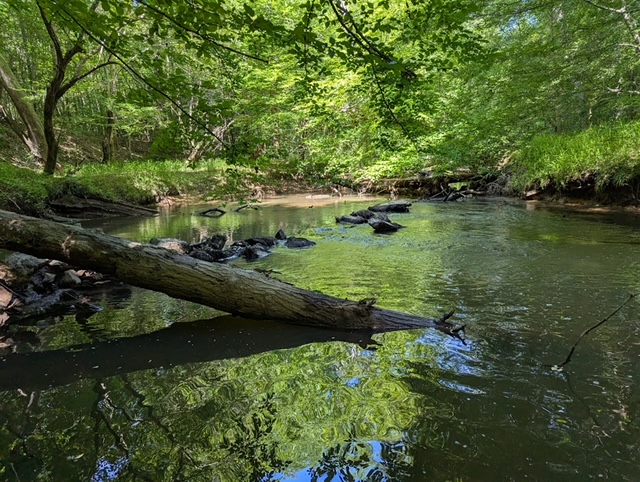
“This property is a priority for the Wildlife Resources Commission. It filled a gap in the existing game lands and protected a lengthy stretch on Shocco Creek where six rare aquatic species are found,” said Crystal Cockman, Land Acquisition Specialist with the N.C. Wildlife Resources Commission.

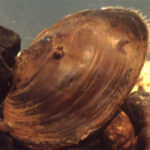
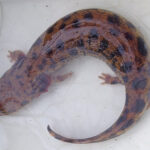
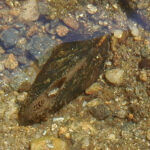
The property provides important conservation benefits for six federally listed aquatic species:

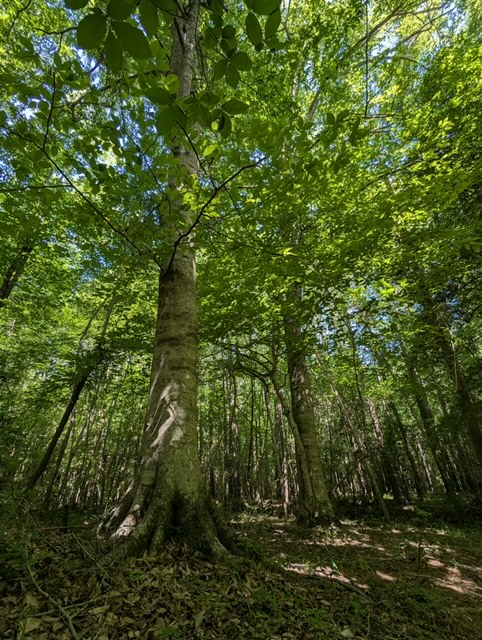
Protecting the property also preserves a hardwood buffer along Shocco Creek. The trees and vegetation help filter water running off the land before it reaches the creek, supporting water quality throughout the watershed.

Without conservation funding, the property could have been sold on the open market and used for residential, commercial, or other nonconservation purposes. Instead, this stretch of streambank and its surrounding habitat will remain protected.

One State Grant Helped Bring Together Multiple Funding Sources

The N.C. Land and Water Fund contributed $211,000 toward the acquisition. The project also received support from the N.C. Wildlife Resources Commission’s Nongame Aquatic Fund and the federal Pittman-Robertson Wildlife Restoration Fund through the U.S. Fish and Wildlife Service.

This funding partnership demonstrates how state conservation investments can help make larger projects possible.
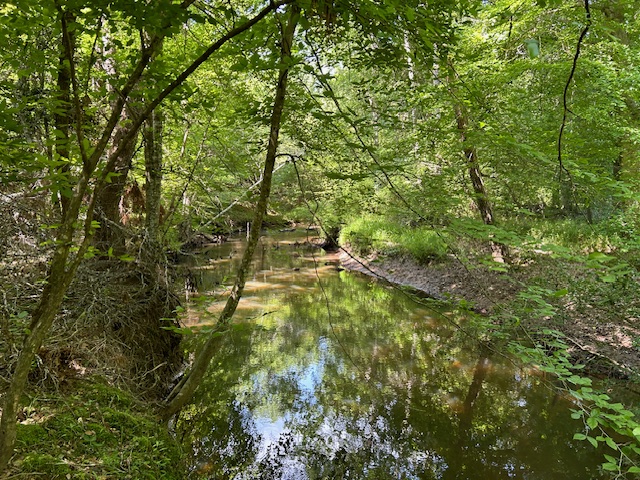
“Without conservation funding, this project would not have been possible. Conservation funding is critical to making acquisitions like this one happen, and it almost always takes multiple funding sources. Land and Water Fund is a big component of many of the projects that the Wildlife Resources Commission is able to acquire,” Cockman said.

North Carolina’s conservation trust funds give state agencies, local governments and conservation organizations the resources they need to act when important properties become available. State funding can also be combined with federal, local and private resources, helping North Carolina get more from each conservation dollar.

Lasting Benefits for the Public

The Washburn-Spears Tract is now part of the Shocco Creek Game Land and is open to the public for hunting, fishing, trapping, and other wildlife-related recreation.

The acquisition also allows the Wildlife Resources Commission to expand its management of the surrounding game land.

One 136-acre project is delivering several public benefits:
Protecting habitat for six federally listed species
Preserving water quality in Shocco Creek
Connecting existing conservation lands
Expanding public access to outdoor recreation
Preventing a major inholding from being developed for nonconservation uses

These benefits will last for generations.

Legislators Make Projects Like This Possible

The Washburn-Spears Tract is one example of the N.C. Land and Water Fund’s broader impact.

“For the first 35 projects that I helped close since I started with NCWRC nearly two years ago, more than half of those were funded in part by NC Land and Water Fund monies,” Cockman said.
That experience underscores how important the fund is to conservation work across North Carolina.

When legislators provide strong, reliable funding for the N.C. Land and Water Fund and the state’s other conservation trust funds, they help protect clean water, wildlife habitat, working lands and outdoor recreation opportunities in communities throughout the state.

This project also provides an opportunity to recognize the N.C. General Assembly’s role in conservation. By supporting the N.C. Land and Water Fund, legislators helped make the permanent protection of the Washburn-Spears Tract possible.

Continued legislative support is essential. Without dependable funding, North Carolina could lose future opportunities to protect important land before it is developed or converted to other uses.
The Washburn-Spears Tract shows what is at stake. Protecting North Carolina’s conservation trust funds means protecting the land, water, wildlife, and outdoor traditions that make our state a special place to live.

Bandera Farms Park in Guilford County

A $500,000 grant from the N.C. Parks and Recreation Trust Fund (PARTF) is helping bring Bandera Farms Park in Guilford County to life, transforming a community vision into a regional destination.

Slated to open in November 2026, the park spans 120 acres in a fast-growing area of Guilford County. It will feature natural surface trails for hikers and equestrians, an adventure playground, picnic shelters, access to the future Piedmont Greenway, and protected frontage along Reedy Fork Creek. Land for Tomorrow member Piedmont Land Conservancy played a pivotal role in making this project a success, purchasing and conserving the first tract of land in 2020 with contributions from four local governments, followed by the acquisition of an additional tract in 2023.
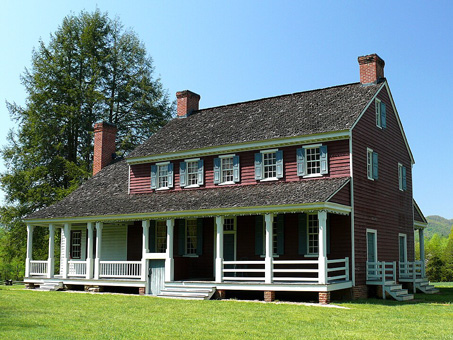
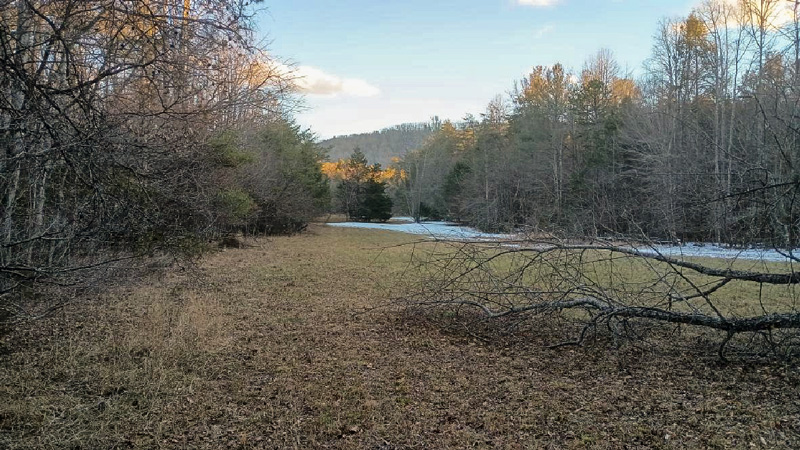
The PARTF grant awarded to the Town of Summerfield helped leverage additional investments, including federal, county, and local funding, to fully fund construction of this unique regional park. The project also protects important natural resources, including wildlife habitat and water quality within the Haw River watershed and Greensboro’s drinking water supply.

Thank you to Rep. John Blust, Rep. Alan Branson, and Sen. Phil Berger for supporting North Carolina’s conservation trust funds, including PARTF. These investments help communities create new recreational opportunities, protect natural resources, and improve the quality of life for residents and visitors alike.

Learn more about this project: https://www.piedmontland.org/future-bandera-farms-park/

Learn more about how conservation trust funds are making a difference across North Carolina at https://www.land4tomorrow.org/learn/

Protecting North Carolina’s History, Water, and Communities at Fort Defiance

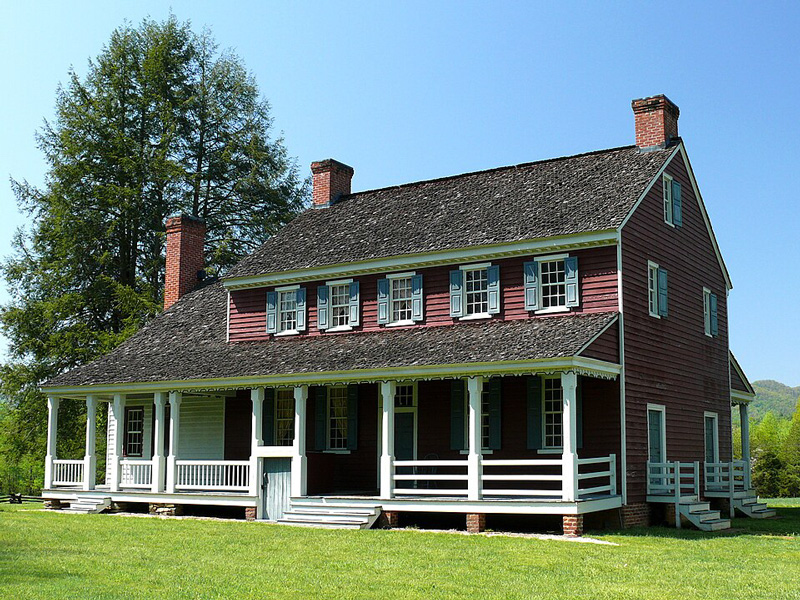
Nestled in the rolling farmland of Happy Valley, where the Yadkin River winds through the foothills of the Blue Ridge Mountains, Fort Defiance stands as one of Caldwell County’s most treasured historic landmarks.

Built in 1792 by Revolutionary War officer General William Lenoir, Fort Defiance served as his home and remains one of North Carolina’s most significant historic sites, offering a window into the state’s early frontier and Revolutionary War history. For generations, schoolchildren and visitors have come here to experience a landscape that connects North Carolina’s natural beauty with its rich Revolutionary War history.

Just beyond the historic site, 25 acres of undeveloped land help frame the views, protect the setting, and preserve the character of this unique place. Foothills Conservancy of North Carolina recently completed a project on these acres that demonstrates how North Carolina’s conservation trust funds protect the places that make North Carolina unique and ensure that protection for future generations.

“Supporting conservation funding in North Carolina is a wise investment that ensures the conservation of natural, historic, and cultural resources by protecting streams and water supplies, and providing residents and visitors with safe, beautiful areas to hike, bike, enjoy wildlife, and learn about North Carolina’s unique history,” said Tom Kenney, Foothills Conservancy of North Carolina Land Protection Director.

“In honor of America’s 250th birthday, conserving places like Fort Defiance allows us to honor our nation’s founding and the role North Carolinians played in securing independence. These investments help ensure that our history remains visible, accessible, and meaningful for generations to come.”

— Senator Ted Alexander, Co-Chairman of the North Carolina General Assembly’s America’s 250th Committee

“I am especially gratified in this instance because my great aunt Mildred McDowell Jones was one of the principle driving forces behind the original preservation efforts of Fort Defiance in the 1960’s through the 1980’s. So this is a fitting continuation of the patriotic efforts of generations past who laid the groundwork for protecting our heritage we enjoy today,” said Senator Alexander.

Preserving a Piece of North Carolina History

Thanks to a NC Land and Water Fund grant, the Foothills Conservancy of North Carolina was able to permanently protect 25 acres of land adjacent to the Fort Defiance Historical Site. Located along NC Highway 268 near the Yadkin River, the protected property serves as a critical buffer for the Fort Defiance Historical Site and a key section of both the Overmountain Victory National Historic Trail and the Overmountain Victory North Carolina State Trail. Together, these landmarks tell the story of the Overmountain Men and their role in securing a pivotal victory during the American Revolution.

By conserving this property, North Carolina helps ensure that future generations can continue to experience the landscapes where history unfolded.

Protecting Natural Resources That Benefit Communities

The benefits of this project extend beyond historic preservation. The protected land helps safeguard the Yadkin River watershed and contributes to the protection of downstream drinking water supplies, including Kerr Reservoir. Conserving land along rivers and streams is one of the most cost-effective ways to protect water quality while reducing future infrastructure and treatment costs. The project also preserves open space, scenic views, and opportunities for outdoor recreation, all of which contribute to the quality of life valued by residents throughout Caldwell County.

A Smart Investment in Local Economies

Historic sites and outdoor recreation destinations bring visitors to local communities, supporting restaurants, hotels, retail businesses, and other local employers. Across North Carolina, outdoor recreation generates $16.2 billion in economic value annually and supports more than 145,000 jobs, underscoring the economic benefits of investments in trails, historic sites, and public access. Projects like this demonstrate how conservation funding serves as an investment in both community assets and economic development.

State Conservation Funding Made the Project Possible

This project would not have been possible without support from the N.C. Land and Water Fund and the North Carolina Complete the Trails Program. Funding helped cover land acquisition, transaction expenses, and long-term stewardship costs. Without these state investments, the project would likely not have moved forward.

Why Continued Investment Matters

Across North Carolina, communities are working to protect important historic sites, working lands, parks, trails, water resources, and natural areas. Yet many of these opportunities are time-sensitive. Once land is developed, the opportunity to conserve it is often lost forever.

“NC LWF investments support projects like Fort Defiance, which has a significant historical heritage, as well as natural resources like open space for recreation, water protection, and watershed protection,” said Kenney. “Without these investments, many of these projects would not be possible, leaving properties more susceptible to development.”

An Investment in North Carolina’s Future

North Carolina’s conservation trust funds have a proven record of delivering results in communities across the state. They help leverage partnerships, support local priorities, and protect the natural and historic resources that make North Carolina a great place to live, work, and visit.

Continued investment in the N.C. Land and Water Fund will help ensure that projects like Fort Defiance remain possible for future generations, preserving the places that define North Carolina’s history, strengthening its economy, and protecting its way of life.

Big Win for Friends of the Mountains-to-Sea Trail

North Carolina’s Land and Water Fund is helping protect one of the most important coastal landscapes in our state. This is a significant milestone for eastern North Carolina and a clear example of how strategic funding and strong partnerships deliver lasting results for our state.

Friends of the Mountains-to-Sea Trail and North Carolina Coastal Federation recently announced the acquisition of nearly 800 acres along the North River in Carteret County. The newly acquired property will provide a critical link for the Mountains to Sea Trail, eventually creating approximately 11 miles of new, off-road trail miles and greatly expanding the trail’s presence in this area.

This project is a clear example of how state investment makes big outcomes possible. Funding from the Complete the Trails Program, created by the North Carolina General Assembly, helped move this long-priority project forward. An additional $1M grant from the N.C. Land and Water Fund and funding from the U.S. Navy brought together the partnerships needed to complete the acquisition.

Projects like this show how conservation funding works as a smart investment. By leveraging partnerships, these dollars go further, helping protect large-scale landscapes that support water quality, wildlife habitat, and coastal resilience and develop recreational opportunities.

Thank you to Senator Norman Sanderson and Representative Celeste Cairns for your service to North Carolina’s coastal communities.

To read more about this project, visit https://mountainstoseatrail.org/2026/04/land-acquisition-carteret/


Strengthening Flood Resilience in Henderson County

North Carolina’s Land and Water Fund [https://nclwf.nc.gov/] is helping strengthen flood resilience in Henderson County.

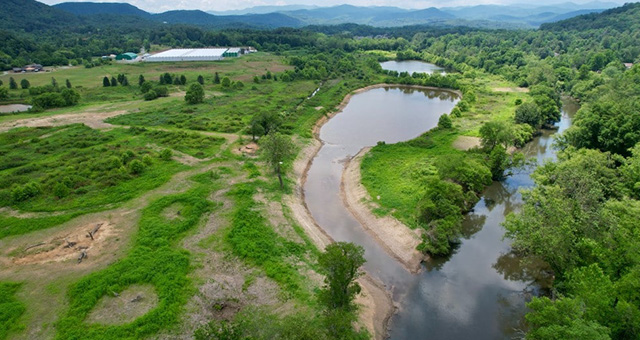
Natural floodplain restoration projects along the French Broad River are already making a difference for nearby communities. During Hurricane Helene, projects led by Conserving Carolina [https://conservingcarolina.org/] helped hold an estimated 1.25 billion gallons of floodwater across restored floodplains at Pleasant Grove, Mouth of Mud Creek, and Kings Bridge.

For residents who watched the river rise toward her home before dawn during the storm, these natural areas may have helped reduce the impact. By reconnecting the river to its floodplain and restoring wetlands and natural stream channels, these projects allow floodwaters to spread out and slow down, rather than rushing downstream and worsening floods.

Restoration work also improves water quality, supports wildlife habitat, and protects farms, homes, and infrastructure throughout the watershed.
Projects like these are possible because the North Carolina General Assembly allocates funding to the N.C. Land and Water Fund, helping communities strengthen resilience to extreme weather while protecting the natural resources that support North Carolina’s economy and quality of life.

Thank you to Representative Jennifer Balkcom [https://www.votebalkcom.com/], Representative Jake Johnson [https://www.jakefornc.com/], and Senator Timothy Moffitt [https://www.timmoffitt.com/] for your service to Henderson County.

To learn more about the N.C. Land and Water Fund and conservation projects across our state, visit:
Land for Tomorrow: www.land4tomorrow.org