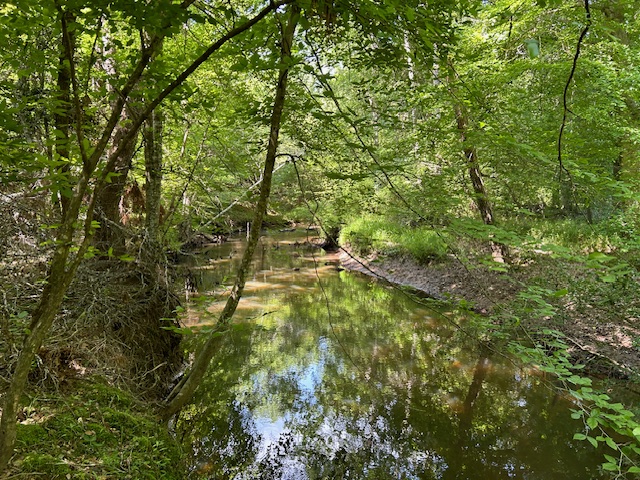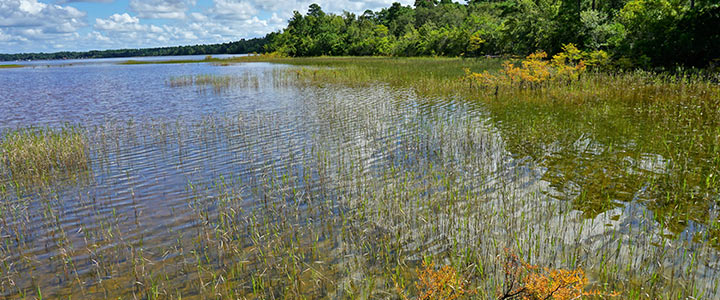
A newly protected 136-acre property in Franklin County shows what North Carolina can accomplish when state legislators invest in conservation.
The N.C. Wildlife Resources Commission recently added the Washburn-Spears Tract to the Shocco Creek Game Land. The acquisition protects water quality, connects existing conservation lands, safeguards habitat for rare wildlife, and expands public access to outdoor recreation.
The project was made possible in part by a $211,000 grant from the N.C. Land and Water Fund. It is a clear example of why legislators must continue protecting North Carolina’s conservation trust funds.
Protecting an Important Piece of Shocco Creek
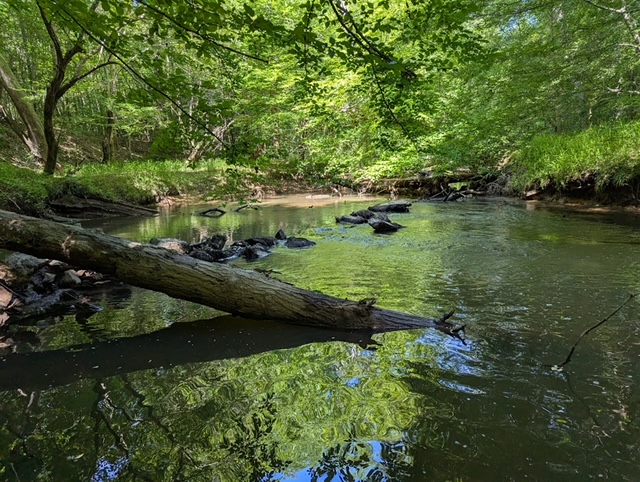 The Washburn-Spears Tract was almost completely surrounded by the existing Shocco Creek Game Land. Acquiring the property filled a significant gap in the protected landscape and connected surrounding conservation lands.
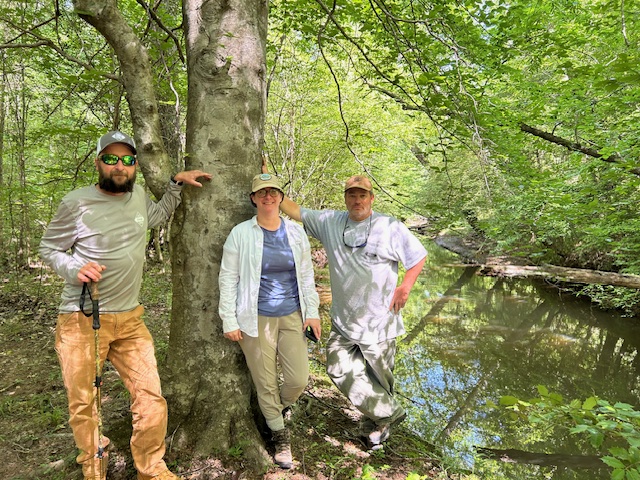
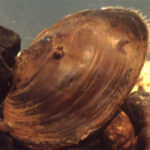
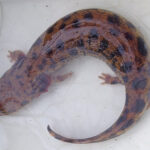
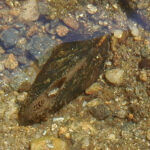
“This property is a priority for the Wildlife Resources Commission. It filled a gap in the existing game lands and protected a lengthy stretch on Shocco Creek where six rare aquatic species are found,” said Crystal Cockman, Land Acquisition Specialist with the N.C. Wildlife Resources Commission.
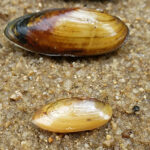
The property provides important conservation benefits for six federally listed aquatic species:
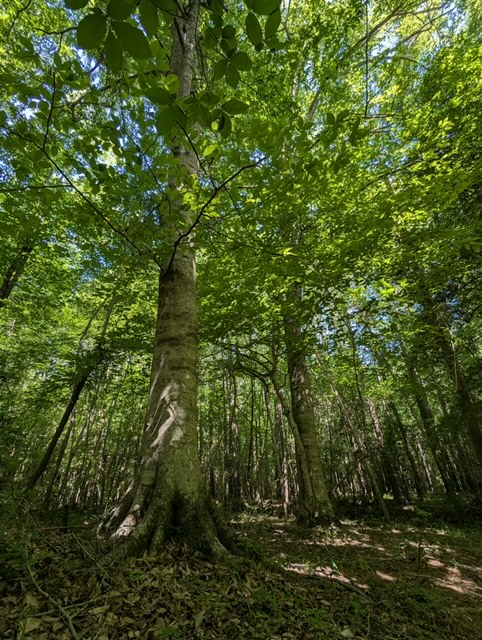
Protecting the property also preserves a hardwood buffer along Shocco Creek. The trees and vegetation help filter water running off the land before it reaches the creek, supporting water quality throughout the watershed.
Without conservation funding, the property could have been sold on the open market and used for residential, commercial, or other nonconservation purposes. Instead, this stretch of streambank and its surrounding habitat will remain protected.
One State Grant Helped Bring Together Multiple Funding Sources
The N.C. Land and Water Fund contributed $211,000 toward the acquisition. The project also received support from the N.C. Wildlife Resources Commission’s Nongame Aquatic Fund and the federal Pittman-Robertson Wildlife Restoration Fund through the U.S. Fish and Wildlife Service.
 This funding partnership demonstrates how state conservation investments can help make larger projects possible.
“Without conservation funding, this project would not have been possible. Conservation funding is critical to making acquisitions like this one happen, and it almost always takes multiple funding sources. Land and Water Fund is a big component of many of the projects that the Wildlife Resources Commission is able to acquire,” Cockman said.
North Carolina’s conservation trust funds give state agencies, local governments and conservation organizations the resources they need to act when important properties become available. State funding can also be combined with federal, local and private resources, helping North Carolina get more from each conservation dollar.
Lasting Benefits for the Public
The Washburn-Spears Tract is now part of the Shocco Creek Game Land and is open to the public for hunting, fishing, trapping, and other wildlife-related recreation.
The acquisition also allows the Wildlife Resources Commission to expand its management of the surrounding game land.
One 136-acre project is delivering several public benefits:
Protecting habitat for six federally listed species
Preserving water quality in Shocco Creek
Connecting existing conservation lands
Expanding public access to outdoor recreation
Preventing a major inholding from being developed for nonconservation uses
These benefits will last for generations.
Legislators Make Projects Like This Possible
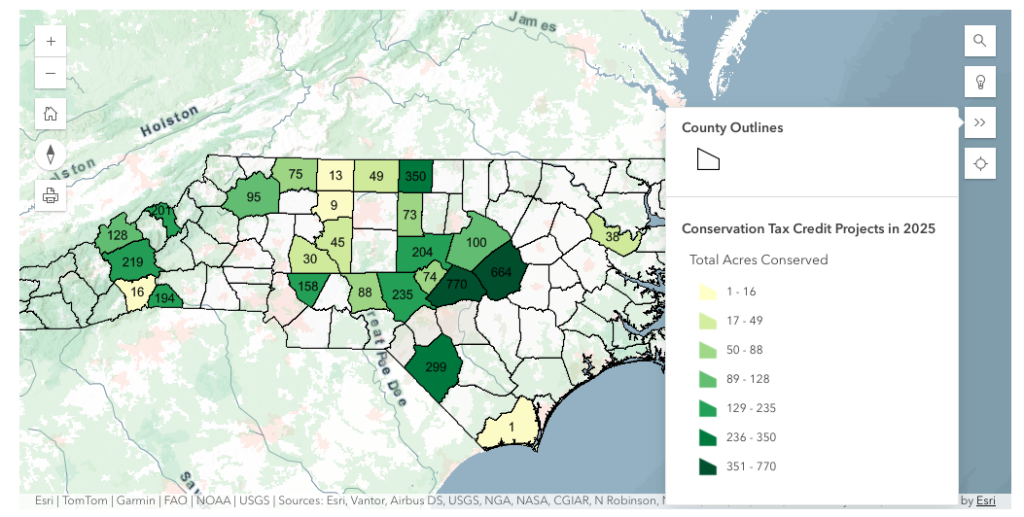
The Washburn-Spears Tract is one example of the N.C. Land and Water Fund’s broader impact.
“For the first 35 projects that I helped close since I started with NCWRC nearly two years ago, more than half of those were funded in part by NC Land and Water Fund monies,” Cockman said.
That experience underscores how important the fund is to conservation work across North Carolina.
When legislators provide strong, reliable funding for the N.C. Land and Water Fund and the state’s other conservation trust funds, they help protect clean water, wildlife habitat, working lands and outdoor recreation opportunities in communities throughout the state.
This project also provides an opportunity to recognize the N.C. General Assembly’s role in conservation. By supporting the N.C. Land and Water Fund, legislators helped make the permanent protection of the Washburn-Spears Tract possible.
Continued legislative support is essential. Without dependable funding, North Carolina could lose future opportunities to protect important land before it is developed or converted to other uses.
The Washburn-Spears Tract shows what is at stake. Protecting North Carolina’s conservation trust funds means protecting the land, water, wildlife, and outdoor traditions that make our state a special place to live.